

Every winter wardrobe tells a story, and the distinctive British approach to seasonal dressing combines tradition with smart practicality. As temperatures drop, the challenge is not just staying warm but looking effortlessly stylish through it all. With over 60 percent of adults in the United Kingdom investing in new cold weather essentials each year, understanding what truly defines quality in winter fashion becomes crucial. From iconic jumpers inspired by British craftsmanship to versatile overcoats, this guide unpacks how to balance warmth, durability, and timeless style for the months ahead.
Table of Contents
- Warm Knitwear: Choosing Quality Jumpers And Cardigans
- Stylish Overcoats: Classic Outerwear For Versatile Looks
- Layering Basics: Long Sleeve Tees And Shirts
- Essential Trousers: From Wool Slacks To Chinos
- Practical Footwear: Boots And Winter-Ready Shoes
- Cold Weather Accessories: Scarves, Gloves And Hats
- Modern Hoodies And Casual Jackets For Everyday Wear
Quick Summary
| Key Message | Explanation |
|---|---|
| 1. Invest in Quality Knitwear | Choose jumpers made from natural fibres like wool for warmth and style during winter. |
| 2. Select Versatile Overcoats | Opt for classic colours and tailored fits in overcoats that adapt to both casual and professional settings. |
| 3. Prioritise Layering with Base Layers | Quality long sleeve tees and shirts should be made of breathable materials for effective temperature management. |
| 4. Choose Functional Footwear | Select boots with insulation and waterproof features to ensure comfort and protection against winter conditions. |
| 5. Don’t Overlook Accessories | Scarves, gloves, and hats made from wool enhance warmth and can be styled to complement any winter outfit. |
1. Warm Knitwear: Choosing Quality Jumpers and Cardigans
Winter warmth begins with exceptional knitwear selections that blend functionality and style. Quality jumpers and cardigans are not just clothing items but essential defence mechanisms against cold temperatures, providing both thermal protection and sartorial sophistication.
The foundation of remarkable winter knitwear lies in understanding fabric composition and construction. Wool remains the gold standard for winter warmth, offering superior insulation and moisture management. Consider pieces like the Harrison Jumper, a modern interpretation of traditional British craftsmanship, which showcases how contemporary design meets time-honoured textile techniques.
When selecting knitwear, prioritise natural fibres such as merino wool, lambswool, and cashmere. These materials provide exceptional heat retention while maintaining breathability. Observe details like stitch patterns, ribbed trims, and knit density these elements significantly impact both warmth and aesthetic appeal.
Structural considerations matter immensely. A well-constructed jumper like the Fisherman’s Cable Jumper featuring intricate cable knit patterns demonstrates how traditional techniques contribute to superior garment quality. Look for tight, even stitching, reinforced shoulders, and smooth seams that indicate meticulous manufacturing.
Colour and versatility should also guide your selection. Neutral tones like navy, charcoal, and forest green offer maximum wardrobe adaptability. Choose pieces that layer seamlessly with your existing clothing, enabling multiple styling options throughout the winter season.
Smart tip: Invest in at least two high quality wool jumpers with different weights. A chunky cable knit for severe temperatures and a lighter merino wool option for milder days will provide comprehensive winter coverage.
2. Stylish Overcoats: Classic Outerwear for Versatile Looks
An exceptional overcoat transcends mere temperature protection to become a cornerstone of winter style. The right outerwear communicates sophistication while delivering practical warmth across professional and casual settings.
Coat selection demands strategic consideration of fabric, cut, and versatility. Wool remains the premier material for winter overcoats, offering superior thermal regulation and elegant drape. Sézane’s structured wool coats demonstrate how vintage silhouettes can be reimagined with modern proportions, illustrating the potential for timeless design.
When choosing an overcoat, prioritise classic colours like camel, charcoal, and navy. These neutral tones provide maximum styling flexibility and seamlessly transition between different environments. A well constructed overcoat should feature clean lines, minimal embellishments, and a tailored fit that allows comfortable layering without excessive bulk.
Consider coat length carefully. Knee length styles offer maximum coverage and versatility, while shorter jackets like the Arctic Army Midweight Bomber present more contemporary, adaptable options. The ideal overcoat should accommodate both professional attire and weekend casual wear.
Fabric weight matters significantly. Opt for wool blends containing at least 70% wool for optimal insulation. Look for features such as lined interiors, reinforced shoulders, and subtle wind resistant treatments that enhance functional performance.
Smart tip: Purchase an overcoat that fits perfectly when wearing a thin jumper underneath. This ensures flexibility for layering without compromising the garment’s sleek silhouette.
3. Layering Basics: Long Sleeve Tees and Shirts
Effective winter dressing hinges on strategic layering, with long sleeve tees and shirts serving as the critical foundation for warmth and style. These versatile pieces form the cornerstone of a sophisticated winter wardrobe, allowing seamless temperature management and aesthetic flexibility.
Material choice distinguishes exceptional base layers. Natural fibres like cotton and bamboo provide breathability and comfort, preventing overheating during indoor and outdoor transitions. Bamboo Clothing’s After Class Short Sleeve Sweat Top exemplifies how innovative fabric blends can deliver both softness and functionality, offering a lightweight yet insulating option for winter layering.
Consider the weight and texture of your base layers carefully. Lightweight merino wool and technical fabrics offer superior moisture wicking properties, keeping you dry and comfortable. The Billabong Furnace Bonded Flannel demonstrates how modern shirts can integrate thermal properties with contemporary design, providing warmth without unnecessary bulk.
Colour selection matters significantly in layering strategy. Neutral tones like white, grey, navy, and black provide maximum versatility, enabling easy combination with outer layers. Opt for fitted but not restrictive cuts that allow smooth movement and accommodate additional garments.
Quality construction determines a base layer’s longevity. Look for reinforced seams, minimal shrinkage fabrics, and smooth, flat lock stitching that prevents chafing and maintains structural integrity through multiple wears and washes.
Smart tip: Invest in three to four high quality base layers in complementary colours. This approach ensures you have flexible options for varied winter styling and temperature conditions.
4. Essential Trousers: From Wool Slacks to Chinos
Winter wardrobes demand versatile trousers that balance style, comfort, and practicality. The right pair of trousers can elevate your entire winter ensemble while providing essential protection against cold temperatures.
Material selection determines winter trouser performance. Wool remains the premier fabric for cold weather, offering superior thermal regulation and wind resistance. Hurleys offers a sophisticated range of trousers that demonstrate how modern materials can combine function and fashion, providing options for various styling requirements.
Consider diverse trouser styles to maximise wardrobe flexibility. Wool slacks provide formal elegance, while chinos offer a more relaxed aesthetic. Research from the University of Leeds underscores the importance of selecting trousers that offer durability and protection, particularly in challenging winter conditions.
Colour selection plays a crucial role in versatility. Neutral tones like charcoal, navy, olive green, and khaki enable seamless mixing and matching with various winter layers. Look for trousers with subtle stretch properties that allow comfortable movement while maintaining a tailored silhouette.
Construction quality matters significantly. Seek trousers with reinforced seams, quality internal linings, and robust fastenings that withstand winter wear. Slim fit designs provide a modern aesthetic while allowing comfortable layering with thermal underwear or long johns.
Smart tip: Invest in two contrasting trouser styles a formal wool slack and a more casual chino to provide maximum versatility across professional and leisure environments.
5. Practical Footwear: Boots and Winter-Ready Shoes
Winter demands footwear that combines protection, comfort, and style. The right pair of boots or shoes can transform your winter experience, providing essential defence against cold temperatures and unpredictable weather conditions.
Insulation and construction are critical considerations when selecting winter footwear. The University of Leeds recommends investing in high quality boots with robust ankle support and superior sole technology, highlighting the importance of functional design over mere aesthetic appeal.
Consider multiple footwear styles to suit different environments. Leather boots with waterproof treatments work excellently for outdoor activities, while refined leather brogues or Chelsea boots provide versatility for professional settings. Hurleys offers an extensive range of winter footwear that demonstrates how modern designs can integrate style and practicality.
Material selection significantly impacts performance. Genuine leather with waterproof treatments, Gore Tex linings, and thermal insulation provide superior protection against moisture and cold. Opt for shoes with thick rubber soles that offer grip and insulation, preventing heat loss through direct ground contact.
Colour coordination remains important. Dark brown, black, and deep burgundy tones provide maximum versatility, enabling seamless integration with various winter clothing combinations. Look for shoes that feature minimal detailing to ensure maximum styling flexibility.
Smart tip: Invest in a quality waterproofing spray and apply it regularly to leather boots, extending their durability and maintaining their protective qualities throughout the winter season.
6. Cold Weather Accessories: Scarves, Gloves and Hats
Winter accessories are not mere fashion statements but essential protective gear that shields you from harsh temperatures. Thoughtfully selected scarves, gloves, and hats can transform your winter comfort and style.
Layering begins with intelligent accessory selection. The International Students House emphasises how scarves serve multiple functional purposes beyond aesthetic appeal, providing critical protection for vulnerable areas like the neck and face.
The University of Leeds recommends specific materials for winter accessories, highlighting wool and microfleece as superior insulation options. Wool remains the premier fabric for winter accessories, offering exceptional thermal regulation and moisture management.
When selecting gloves, prioritise windproof materials with sufficient dexterity. Look for options featuring touchscreen compatible fingers, allowing smartphone use without removing protection. Leather lined wool gloves provide an excellent balance between style and functionality.
Scarf selection should consider both warmth and versatility. Opt for rectangular wool or cashmere designs that can be styled multiple ways. Neutral colours like charcoal, camel, and navy provide maximum styling flexibility across different outerwear.
Smart tip: Invest in accessories that coordinate with your existing winter wardrobe, ensuring each piece can be mixed and matched for maximum versatility and practical warmth.
7. Modern Hoodies and Casual Jackets for Everyday Wear
Casual outerwear represents the versatile cornerstone of contemporary men’s winter styling. Modern hoodies and jackets offer a perfect blend of comfort, functionality, and understated sophistication for everyday adventures.
Fabric technology transforms casual wear into intelligent wardrobe solutions. Billabong’s Floating Po Sweatshirt exemplifies how mid weight fleece fabrics can provide exceptional comfort and layering potential, creating a foundation for adaptable winter dressing.
Choosing the right casual jacket involves understanding material properties and design nuances. Jack Wills’ Wadded Puffer Jacket demonstrates how insulated outerwear can balance warmth with streamlined aesthetic appeal, offering protection without compromising personal style.
When selecting hoodies and jackets, prioritise versatile colours like navy, charcoal, olive green, and black. These neutral tones enable seamless integration with existing wardrobe pieces, maximising styling potential. Look for features such as zippered pockets, adjustable hoods, and stretch fabric panels that enhance mobility and functionality.
Consider the layering potential of each piece. A well designed hoodie or jacket should accommodate thermal base layers while maintaining a sleek silhouette. Opt for pieces with minimal branding and clean design lines that transition effortlessly between casual and semi professional environments.
Smart tip: Select casual outerwear pieces that can be dressed up or down, ensuring maximum versatility and value from each garment in your winter wardrobe.
Below is a comprehensive table summarizing the key winter fashion and layering strategies discussed throughout the article.
| Topic | Description | Key Considerations |
|---|---|---|
| Knitwear | Quality jumpers and cardigans are essential for winter warmth, focusing on natural fibres like wool. | Prioritise stitch patterns, ribbed trims, and fabric composition for warmth and style. |
| Overcoats | Stylish overcoats transcend temperature protection, with wool as a preferred material. | Choose knee-length coats for versatility and ensure a tailored fit. |
| Layering | Long sleeve tees and shirts form the foundation of winter dressing. | Opt for natural fibres like cotton or bamboo, and consider neutral tones for versatility. |
| Trousers | Winter trousers should balance style, comfort, and warmth, with wool as a premier fabric. | Select diverse styles like slacks and chinos for flexibility and seek quality construction. |
| Footwear | Practical boots and shoes protect against cold and enhance winter outfits. | Look for insulation, robust construction, and genuine leather with waterproof treatments. |
| Accessories | Scarves, gloves, and hats provide critical warmth and protection. | Wool and microfleece materials offer excellent insulation, and coordinate colours with wardrobe. |
| Casual Outerwear | Hoodies and jackets provide comfort and versatility for everyday wear. | Choose colours like navy and charcoal, and focus on material technology for enhanced functionality. |
Elevate Your Winter Wardrobe with Vellure Homme
The essentials of a complete men’s winter wardrobe, from warm knitwear to stylish overcoats and practical footwear, highlight the challenge of balancing style, comfort, and functionality during cold months. Whether you seek premium jumpers that offer warmth without bulk or versatile outerwear that transitions from professional to casual settings, Vellure Homme understands your goals. Our curated collections address key pain points such as quality fabric choices, layering versatility, and timeless colour palettes, making your winter dressing effortless and sophisticated.
Discover how investing in high quality wool jumpers, modern hoodies, and elegantly tailored coats can transform your seasonal style. At Vellure Homme we provide thoughtfully designed garments crafted to meet the demands outlined in the 7 Essentials for a Complete Men’s Winter Wardrobe Checklist. Explore pieces that combine contemporary trends with enduring craftsmanship to keep you comfortable and confident throughout the winter.
Step into this season with the assurance that your wardrobe is ready for any occasion. Shop now at Vellure Homme and experience premium men’s clothing with up to 50% off on select collections.
Looking for sweater and jumper options to start layering smartly?
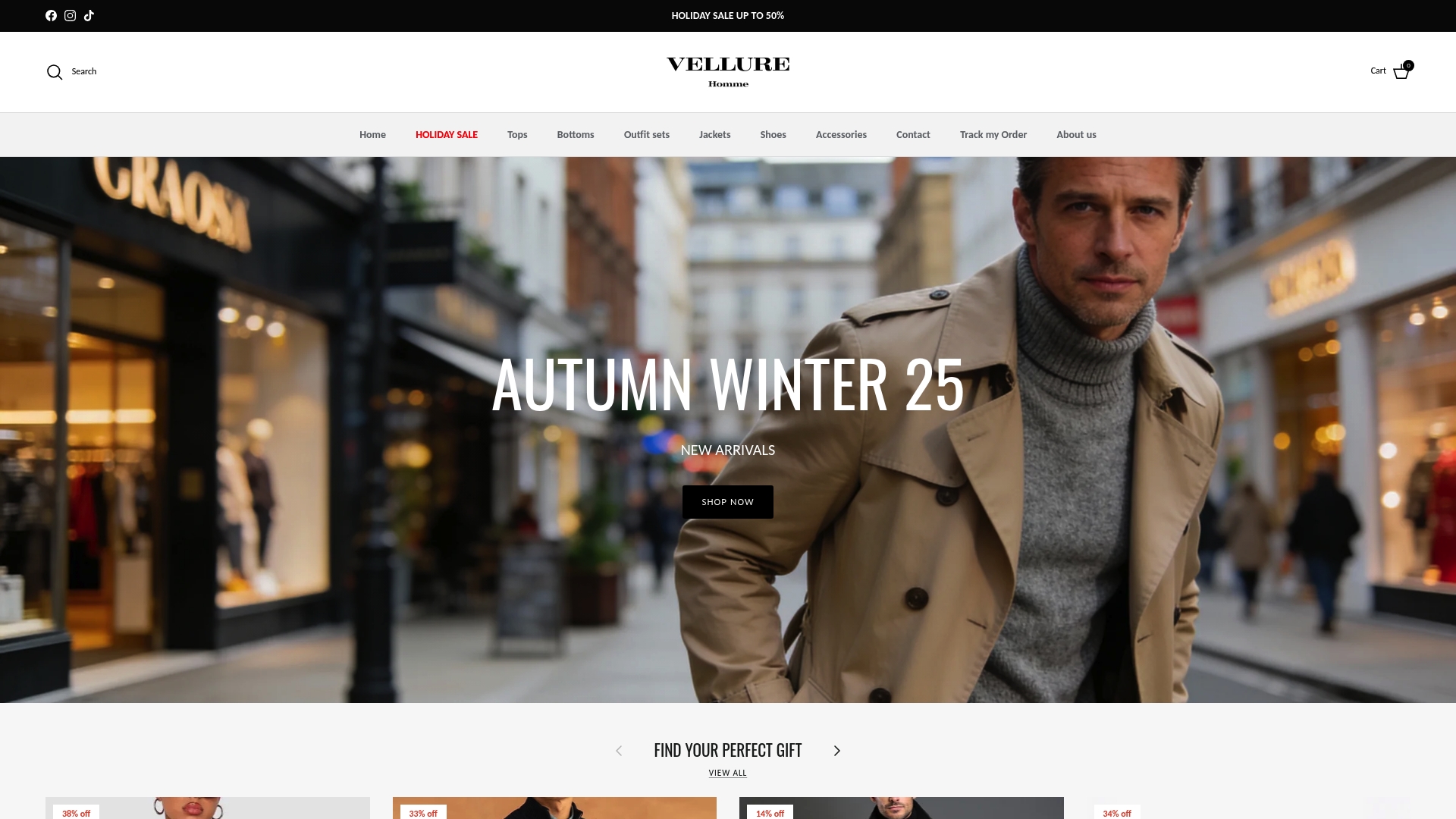
Browse our exclusive range of cosy knitwear and overcoats designed for the modern man. Visit Vellure Homme sweaters collection today and take the first step towards a stylish winter that embraces warmth and effortless versatility.
Frequently Asked Questions
What are the key components of a complete men’s winter wardrobe?
A complete men’s winter wardrobe includes warm knitwear like jumpers and cardigans, stylish overcoats, layering basics such as long sleeve tees, essential trousers, practical footwear, cold weather accessories, and modern hoodies or casual jackets. Consider each item to ensure you have a versatile and functional wardrobe for winter.
How can I effectively layer my winter clothing?
Effective layering begins with selecting base layers, such as long sleeve tees, followed by insulating jumpers and a protective outer layer such as an overcoat or jacket. Aim for a combination that allows for temperature regulation and comfort, adjusting based on your daily activities.
What materials should I look for in winter clothing?
Focus on natural fibres like wool, cashmere, and cotton for warmth and breathability. These materials enhance insulation while providing comfort, making them ideal for winter wear that lasts.
How do I choose versatile colours for my winter wardrobe?
Select neutral tones like navy, charcoal, and olive green that can be easily combined with others in your wardrobe. Aim to have a balance of colours that can transition between casual and professional settings, maximising versatility.
What accessories are essential for winter?
Essential winter accessories include scarves, gloves, and hats, all designed to provide additional warmth and style. Choose items made of wool or microfleece for optimal insulation, ensuring they complement your winter outfits.
How can I maintain the quality of my winter garments?
To maintain the quality of your winter garments, follow care instructions closely, including washing at recommended temperatures and using appropriate detergents. Regularly check for any signs of wear and repair small issues promptly to extend the life of each piece.