
Standing in front of your wardrobe, you notice that shirts look too baggy or trousers never quite sit right for important meetings and relaxed weekends alike. For British professionals, getting menswear fit spot on is more than a technical exercise—it is about expressing personal style and confidence in every setting. With modern menswear blending classic tailoring with innovative cuts, this guide uncovers how understanding the true meaning of fit empowers you to make better choices for both your everyday look and big occasions.
Table of Contents
- Defining Fit In Contemporary Menswear
- Key Types Of Fit: Slim, Regular, Relaxed
- Importance Of Fit For Style And Confidence
- Common Fit Mistakes To Avoid
- Achieving The Ideal Fit For Your Body
Key Takeaways
| Point | Details |
|---|---|
| Understanding Fit is Essential | Fit goes beyond size; it involves silhouette alignment, proportion, and ease, crucial for making confident purchasing decisions. |
| Types of Fit Influence Style | Recognising slim, regular, and relaxed fits allows for informed choices that align with body shape and lifestyle needs. |
| Fit Affects Confidence | Proper fit not only improves appearance but also enhances self-assurance, significantly impacting how one is perceived socially and professionally. |
| Avoid Common Fit Mistakes | Awareness of frequent fit errors, such as oversizing and neglecting proportions, helps in curbing unsatisfactory garment selection and improving style coherence. |
Defining Fit in Contemporary Menswear
Fit in contemporary menswear isn’t simply about grabbing your size off the rack and calling it done. Modern menswear fit operates at the intersection of heritage tailoring traditions and current styling innovations, creating a balance that looks sharp today whilst honouring the precision craftsmanship of classic tailoring. This duality defines how fit works in today’s market. Whether you’re selecting a casual hoodie, a structured overshirt, or formal tailoring, understanding what fit actually means gives you the clarity to make confident purchasing decisions that align with your personal style and body proportions.
At its core, fit encompasses far more than measurements. Research into industry fit practices and garment quality reveals that achieving good fit requires integrating technical skill, individual perception, and established industry standards. The concept pulls together several interconnected factors:
- Silhouette alignment: How the garment drapes against your frame and shoulders
- Proportion and balance: The relationship between different sections (sleeve length relative to jacket body, trouser break at the ankle)
- Shoulder placement: Where the seams sit relative to your natural shoulder line
- Ease and movement: The space between your body and the fabric, allowing both comfort and structure
- Length accuracy: Proper proportions from neckline through hem, creating visual harmony
What makes contemporary menswear fit distinct is its willingness to challenge traditional silhouettes whilst maintaining technical precision. A modern overshirt might feature an intentionally relaxed fit through the body whilst maintaining precise sleeve proportions. A contemporary sweater balances generous room for layering with structured shoulders that define your frame. This nuanced approach reflects how the suit form, function, and style operate in today’s context: balancing conformity with subtle disruption, tradition with innovation.
For you as a fashion-conscious professional, this means fit isn’t about conforming to one rigid standard. Instead, you’re learning to recognise quality construction indicators—sharp seams, appropriate allowances for movement, proportions that complement your build. A piece fits well when it feels intentional rather than accidental, when every measurement seems to have purpose. This applies equally whether you’re buying a winter overshirt designed for layering or structured casualwear for weekend wear. The difference between clothes that simply exist on your body and clothes that genuinely work for you often comes down to understanding these fundamental fit principles.
Pro tip: When trying pieces online or in store, check shoulder seams first—they should sit at the top of your shoulder joint, not creeping towards your neck or falling down your upper arm. This single reference point often reveals whether a garment’s proportions suit your frame before you consider any other factors.
Key Types of Fit: Slim, Regular, Relaxed
Menswear fit categories exist on a spectrum rather than as rigid boxes. The three primary fit classifications—slim, regular, and relaxed—each offer distinct proportions and styling approaches, but contemporary menswear increasingly blends these categories to create hybrid silhouettes that defy simple categorisation. Understanding what each type delivers helps you recognise which fits your body best and which aligns with your lifestyle needs. For a young professional in the United Kingdom navigating everything from casual weekends to formal office settings, knowing these distinctions transforms how you shop and what actually works on your frame.
Slim fit takes a more tailored approach, hugging closer to your body through the chest, waist, and hips whilst maintaining relatively narrow sleeves. Think of it as clothes that follow your natural contours without excess fabric pooling at the sides. This silhouette works brilliantly if you have a lean or athletic build, but it demands precise proportions or you risk looking constrained rather than sharp. A slim fit overshirt paired with chinos creates clean lines that photograph well in professional settings. However, slim fit becomes problematic when you layer—adding even a basic t-shirt underneath can create uncomfortable bulk. This is why contemporary designers experiment with hybrid menswear approaches that retain slim fit’s defining character whilst building in subtle ease for practicality.
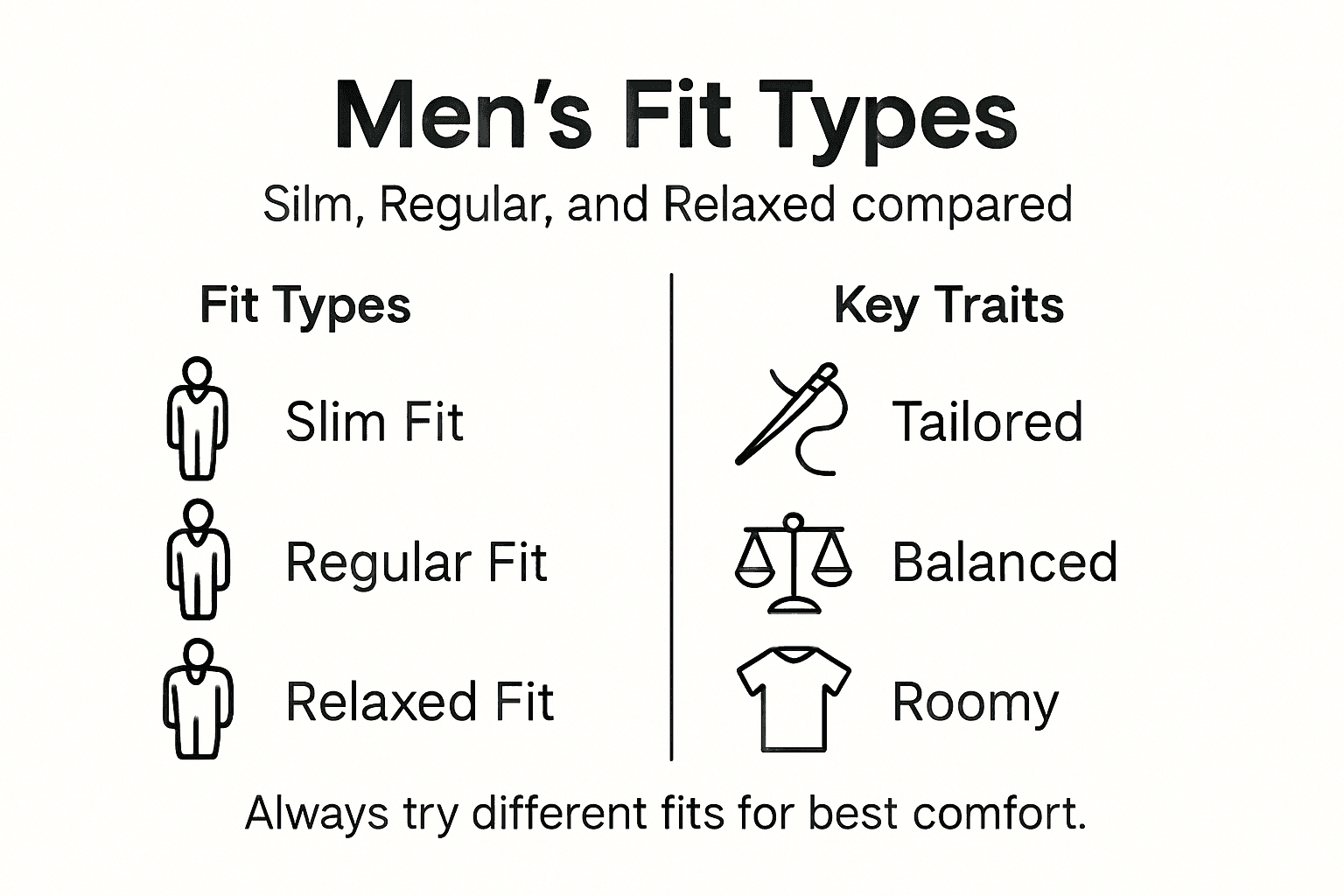
Regular fit sits at the centre, offering a balanced approach between structure and comfort. This cut provides enough room through the torso for layering without looking baggy, maintains shoulder definition, and allows natural movement through the arms and legs. Most professionals default to regular fit because it accommodates the reality of how we actually dress—undershirts, jumpers in winter, moving between heated offices and cold streets. A regular fit sweater from Vellure Homme works equally well worn alone on a casual Friday or layered under a blazer for client meetings. The proportions feel intentional rather than oversized, which means the garment still shapes your silhouette whilst respecting your comfort.
Relaxed fit embraces generous proportions throughout, creating a more casual aesthetic that prioritises movement and comfort over defined structure. This fit works exceptionally well for hoodies and weekend wear, allowing you to layer freely and move without restriction. Where slim fit can feel constraining and regular fit provides balance, relaxed fit broadcasts approachability and ease. The trade off is that relaxed pieces require more confidence to style—they sit further from your body, so your proportions become less defined visually.
What matters most is recognising that these three categories now overlap considerably. Modern tailoring often blends relaxed shoulders with a more fitted torso, or combines slim sleeve proportions with generous ease through the chest. This means you cannot simply assume that a piece labelled “regular” will work identically to another regular fit garment from a different brand. The diversity in British menswear design reflects how labels like slim, regular, and relaxed now represent starting points rather than absolute definitions. Contemporary menswear celebrates this flexibility, allowing designers to challenge traditional categorisations and create pieces that reflect how men actually want to dress today.
For your specific situation as someone balancing casual and formal occasions, the practical reality is this: slim fit dominates when you want visual polish and precision, regular fit handles the majority of your wardrobe with reliable versatility, and relaxed fit signals comfort without sacrificing intentionality. None is inherently “better”—context determines which serves you best.
Here’s a visual breakdown of the primary fit types and their ideal occasions:
| Fit Type | Best For | Visual Effect | Layering Suitability |
|---|---|---|---|
| Slim | Business/formal settings | Sharp, defined lines | Limited; can feel tight |
| Regular | Daily office/casual wear | Balanced, neat shape | Good; allows some layering |
| Relaxed | Weekend/leisure dressing | Approachable, easy | Excellent; generous comfort |
Pro tip: Try the same style in all three fit types when shopping online or in store, then compare how each sits on your shoulders, chest, and through the arm pit area rather than just looking at sleeve length or overall proportions.
Importance of Fit for Style and Confidence
Fit is not merely a technical consideration. When a garment fits properly, something shifts internally. You stand taller. You move differently. Your awareness of how others perceive you changes because, fundamentally, you feel more assured in your own body. This psychological dimension separates clothes that simply cover you from clothes that genuinely work for you. Well-fitting clothing enhances personal identity expression and social perceptions, making fit central to how modern men experience confidence through style. For you as a fashion-conscious professional navigating boardrooms and social occasions alike, this connection between fit and confidence shapes everything from how you present yourself to clients to how you feel walking into a room full of strangers.
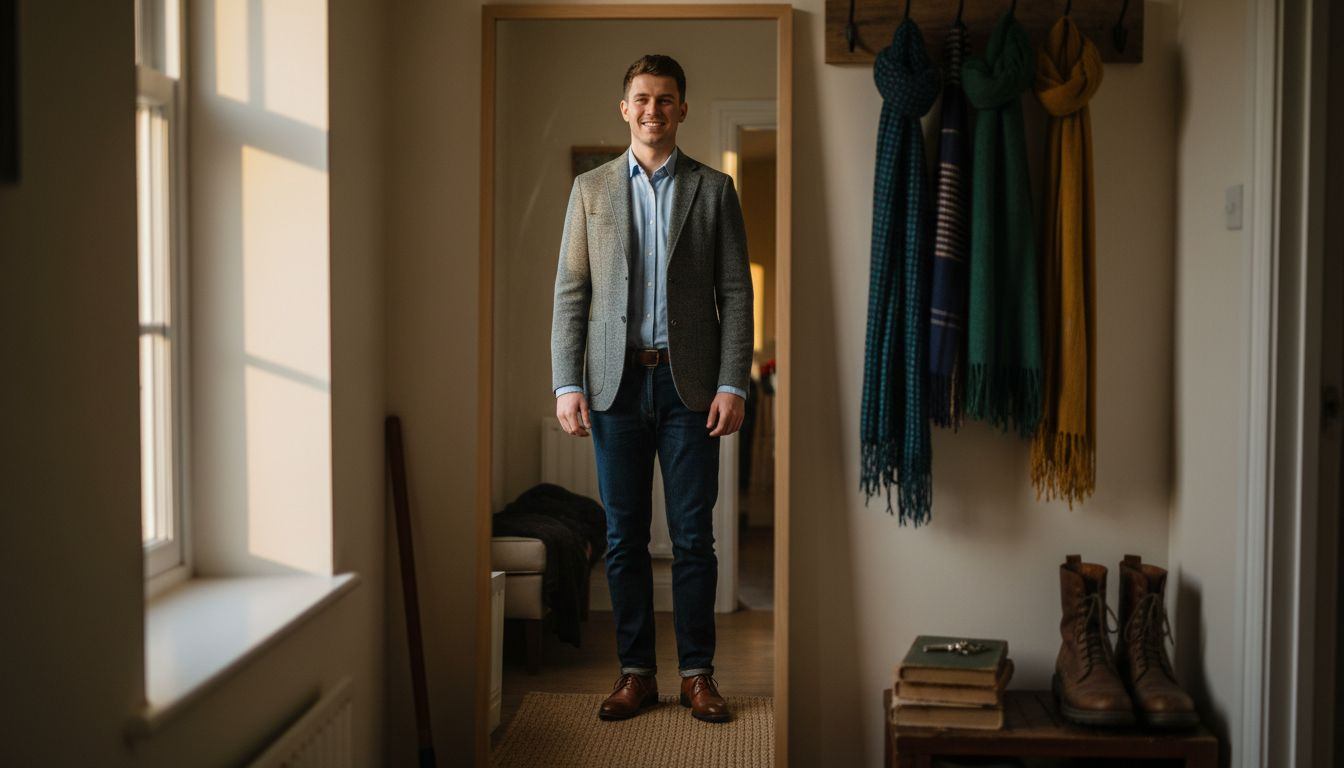
Consider the practical reality of wearing an ill-fitting garment through your working day. A jacket with sleeves that creep halfway down your hand forces constant adjustment. A shirt that pulls across the chest creates visible tension, making you hyperaware of every movement. These minor discomforts accumulate into a persistent self-consciousness that undermines your professional presence. Conversely, when your overshirt sits perfectly on your shoulders, when your sweater maintains its shape through the afternoon, when your trousers break at exactly the right point on your shoes, you stop thinking about your clothes entirely. That mental freedom is where genuine confidence lives. You can focus on the conversation, the presentation, the connection with the person across from you instead of constantly managing your appearance. This is why fit matters so profoundly beyond aesthetics. It becomes the foundation for how you show up in the world.
The style advantage of proper fit extends beyond personal comfort into actual visual impact. A slim fit piece on someone with an athletic build creates clean lines and visual harmony that photographs well and reads as intentional. The same slim fit on someone with a rounder frame creates pulling and discomfort that undermines even premium fabrics. This is not about body type judgment—it is about matching proportions to your specific frame so that clothes enhance rather than fight against your natural shape. When fit works correctly, you look like someone who understands themselves and their personal style. People read that as confidence, whether you consciously project it or not. Your clothes communicate that you have made deliberate choices. This matters in professional settings where first impressions influence how seriously others take you, and it matters equally in casual contexts where you want to feel genuinely comfortable expressing your personality through what you wear.
What makes fit especially important right now is that contemporary menswear demands more intentionality than it used to. You cannot simply buy your size and expect it to work across different brands or styles. Men’s fashion dos and don’ts for modern style emphasise that understanding your personal proportions and what silhouettes flatter your frame has become a core skill rather than an afterthought. This shift reflects how menswear itself has evolved. The variety of fit types, hybrid silhouettes, and styling approaches available to you means you have genuine agency in how you present yourself. That agency only translates into confidence and style when you invest time in understanding what works specifically for you rather than following generic size charts. The payoff is substantial. When you commit to fit as a priority, you build a wardrobe where almost everything actually works together because the foundational proportions are consistent. Getting dressed becomes quicker. Your outfits feel more cohesive. You spend less money on pieces that do not work because you are making smarter purchasing decisions. These practical advantages combine with the psychological benefit of feeling genuinely confident in what you are wearing.
Pro tip: Keep a note in your phone with your precise measurements (shoulders, chest, sleeve length, torso length) and your preferred fit type for each garment category, then reference it during online shopping or trying on new pieces to make faster, more confident decisions.
Common Fit Mistakes to Avoid
Most men make fit mistakes not because they lack taste, but because they have never been taught what to look for. The errors accumulate quietly—a jacket slightly too large, trousers that pool at the ankles, sleeves that extend past your wrist bone. Individually, each mistake seems minor. Together, they transform even premium garments into clothes that undermine your appearance rather than enhance it. Understanding common consumer mistakes regarding menswear fit helps you avoid the pitfalls that lead most men to buy pieces they never actually wear. The mistakes fall into clear patterns, and recognising them transforms how you approach shopping, whether you are browsing Vellure Homme online or trying on pieces in person.
The first major mistake is selecting sizes based purely on comfort rather than proportion. Many men assume that “comfortable” means “loose,” so they buy a size or two larger than necessary. This creates excess fabric that pools at the sides, makes you look heavier than you are, and eliminates any visual structure from your garment. A hoodie that feels spacious whilst sitting at home will drown you in a professional setting. Conversely, some men chase ultra-slim silhouettes that constrain movement and create visible pulling across the chest or back. Neither extreme serves you well. True comfort balances adequate room for movement with proportions that maintain your silhouette. The second mistake involves ignoring proportion relationships. Men often fixate on a single measurement—chest size or sleeve length—without considering how all the proportions interact. A jacket with perfect sleeve length but shoulders that sit too far inboard will look wrong regardless of how well the chest fits. Trouser length matters only in relation to how they taper through the leg. Selecting styles that match your body shape requires understanding the entire silhouette rather than obsessing over isolated measurements.
Online shopping amplifies these mistakes because you cannot physically feel the fabric weight or see how a garment actually drapes on your frame. Many men choose based on photographs or vague product descriptions, then are disappointed when the piece arrives. You order what looks sharp in the image only to discover the fabric is thinner than expected, or the proportions do not translate to your specific height or build. The solution is not avoiding online shopping—it is approaching it strategically. Familiarise yourself with how specific brands and styles fit before making purchases. Read reviews from people with similar body types. Use size guides not just as reference points but as evidence of whether a brand tends to run tight or generous. A third mistake is buying pieces that work in isolation without considering how they fit into your broader wardrobe. You purchase a beautiful sweater in isolation, then struggle to find trousers that work with its silhouette. A colour that looked perfect online clashes with everything you already own. Poor fit decisions multiply when you are not thinking about versatility and how new pieces need to work with what you already have.
The most costly mistake is ignoring comfort and movement in pursuit of visual sharpness. Yes, a tightly tailored look photographs brilliantly. But if you cannot move comfortably, if you are constantly aware of the fabric pulling, if you cannot sit through a meeting without feeling restricted, that garment will never become a staple. You will avoid wearing it, which means you are throwing money at clothes that live in your wardrobe rather than on your body. The goal is finding the intersection where fit looks intentional and feels genuinely comfortable. That intersection exists for every body type and style preference—it simply requires understanding what to prioritise and what to compromise on. Start by accepting that fit varies dramatically between brands. Stop assuming your usual size will work everywhere. Measure yourself accurately and use those measurements consistently. Test new brands with pieces you can easily return. Build a fit profile over time so you understand which styles and proportions work specifically for you.
Refer to this summary of frequent fit mistakes and their consequences:
| Mistake | Common Cause | Impact on Appearance | How to Prevent |
|---|---|---|---|
| Oversized selection | Equating comfort with size | Loss of structure | Match proportions, not size |
| Isolated measurement focus | Ignoring full silhouette | Awkward garment shape | Balance all measurements |
| Blind online purchases | Trusting photos alone | Unexpected fit issues | Read reviews, compare guides |
| Prioritising looks over ease | Seeking sharp visuals | Restricted movement | Test for comfort first |
Pro tip: When ordering online, always check return policies first, then order a size up and a size down when trying a new brand, comparing both against your measurements to identify which offers better proportions before committing to future purchases.
Achieving the Ideal Fit for Your Body
There is no universal fit. Your body is distinctly yours, shaped by genetics, lifestyle, and how you naturally carry yourself. What works brilliantly on someone six feet tall with broad shoulders will hang awkwardly on someone of average height with a slighter frame. Achieving ideal fit means moving beyond generic sizing categories and understanding your specific proportions, then matching them to garments deliberately constructed to accommodate those proportions. Contemporary tailoring practices now adapt to individual body shapes and preferences through both traditional techniques and modern technology, making genuinely well-fitted clothing more accessible than ever before. This is not about conforming to an arbitrary standard. It is about discovering what actually works for your frame, then building a wardrobe around those discoveries.
Start with honest self-assessment. Measure yourself accurately from shoulders to ankles, noting not just the obvious measurements like chest and waist but the proportions that define your silhouette. Are your arms proportionally long or short relative to your torso? Do you carry weight in your midsection, chest, or fairly evenly? Is your neck on the thinner or thicker side? These details matter far more than your clothing size. Someone with a 38-inch chest but a 28-inch inseam has completely different proportions from someone with a 38-inch chest and a 32-inch inseam. Standard sizing ignores these distinctions, which is why so many men feel that nothing fits quite right. Once you understand your proportions, start documenting which fit types and brands actually work for you. A brand that runs generous through the shoulders but tight in the chest becomes a pattern you can predict. A particular style of hoodie that works beautifully becomes a template for finding similar pieces. This documentation transforms shopping from guesswork into informed decision making. Create a simple reference noting your key measurements, your preferred ease allowances for different garment types, and the brands or styles that have worked well. Reference this every time you shop.
The next step involves understanding how different silhouettes interact with your body. Tailoring curriculum now emphasises balancing creativity with technical precision to suit diverse bodies and personal styles, reflecting how modern fit design has evolved. This principle applies directly to your shopping decisions. A relaxed fit overshirt will drape differently on someone with a slim build than someone with a fuller frame. An intentionally cropped sweater works only if your proportions align with that aesthetic. Rather than assuming a style will work because it appeals to you visually, consider whether your body type suits the silhouette. This is where the role of fit in menswear becomes genuinely practical. You are not fighting your frame. You are working with it, selecting pieces that enhance rather than fight against your natural shape.
Test strategically before committing. When trying something new online, order multiple sizes if possible and compare them against your measurements. This is not indecision—it is data gathering. Pay attention to which size hits the right balance between comfort and proportion for your frame. Notice whether the sleeve length feels accurate relative to your arm length, whether the torso length suits your proportions, whether the shoulder width sits correctly. After you have identified the right size, make note of it. Next time you encounter that brand or style, you already know what works. Build your wardrobe gradually with pieces you have tested and confirmed fit properly. This approach eliminates the frustration of discovering after purchase that something does not work for you. It also means you spend money only on pieces that genuinely enhance your appearance and work with your existing wardrobe. The investment in time upfront pays dividends in clothing that actually works, that you actually wear, and that contributes to a cohesive personal style rather than a closet full of pieces that do not quite fit right.
Pro tip: Photograph yourself wearing well-fitting pieces from different angles, then use those images as visual references when shopping for new items to ensure you are selecting garments with similar proportions and silhouettes.
Elevate Your Look by Prioritising Perfect Fit with Vellure Homme
Understanding the challenges of finding menswear that truly fits your unique body shape is the first step towards unlocking confidence in your style. The article highlights key issues such as ill-fitting shoulders, improper proportions, and the difficulty of balancing comfort with polished aesthetics. At Vellure Homme, we recognise that fit is more than just a measurement it is the foundation of how you express yourself through contemporary menswear. Our carefully curated collection embraces modern fit philosophies that provide structure without sacrificing ease, making layering effortless and your silhouette always intentional.
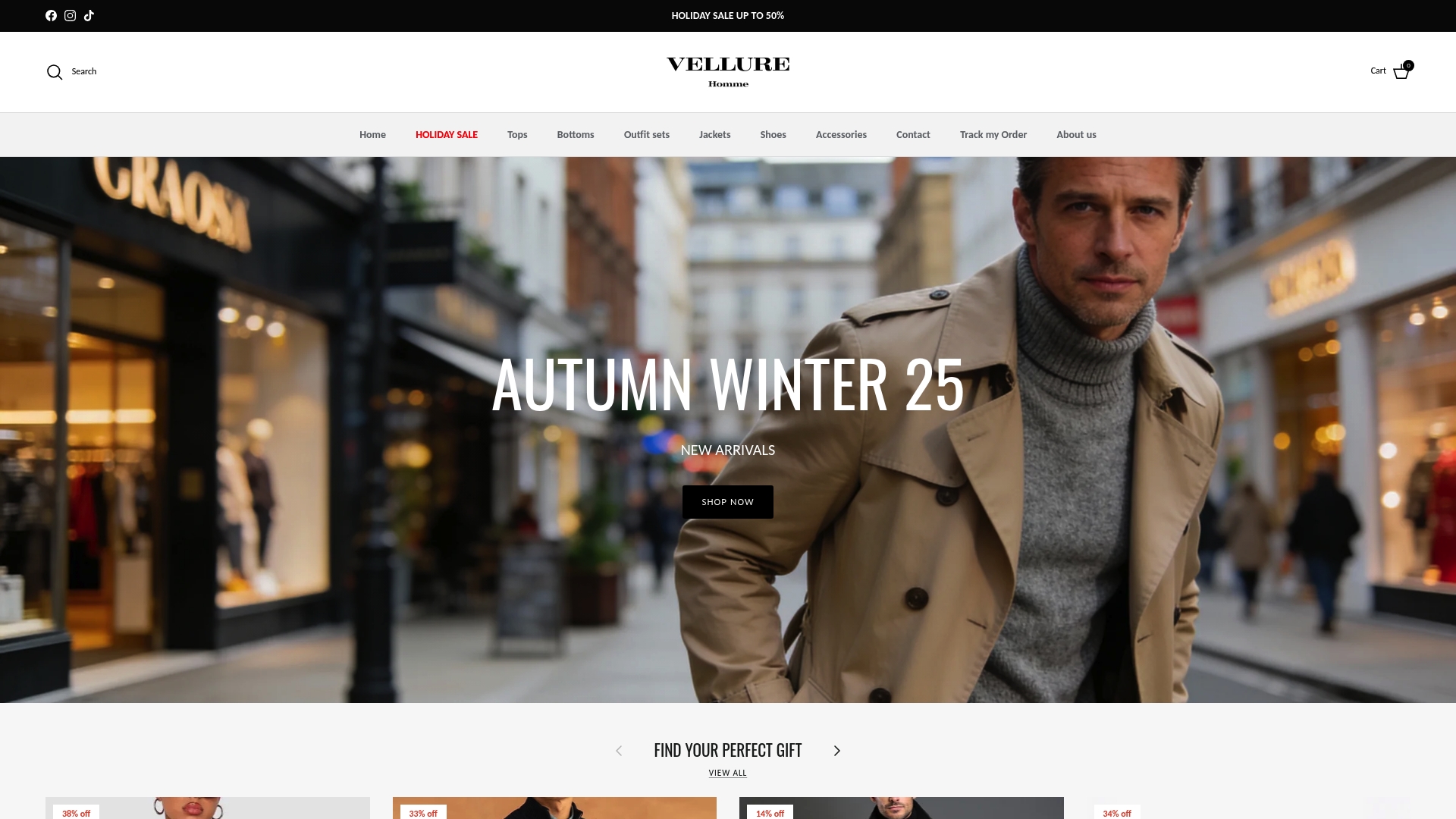
Take control of your wardrobe today by exploring Vellure Homme’s premium collection designed to adapt to your frame with precision and style. Whether you seek the sharp lines of slim fit sweaters or the comfortable versatility of relaxed hoodies, discover options that prioritise fit without compromise. Act now to benefit from seasonal collections and discounts up to 50% that help you build a wardrobe where every piece works cohesively. Start your journey to confident dressing by visiting Vellure Homme and experience how expertly fitted menswear transforms your presence both in the office and at leisure.
Frequently Asked Questions
How does fit impact my style?
Fit plays a crucial role in your overall appearance and confidence. Well-fitting clothing enhances your natural shape, creating clean lines and a polished look that communicates intentionality and style.
What are the main types of fit in menswear?
The primary types of fit in menswear are slim fit, regular fit, and relaxed fit. Each type offers different proportions and styling approaches that can significantly affect how a garment looks and feels on your body.
How do I know if a garment fits me well?
A well-fitting garment should sit comfortably on your shoulders, with seams aligned correctly and without excess fabric pooling. You should feel at ease moving in it, and it should flatter your proportions.
What common mistakes should I avoid when choosing fit?
Common mistakes include selecting sizes based purely on comfort rather than proportion, ignoring how garment measurements interact, and buying pieces that do not integrate well with your existing wardrobe.
Recommended
- What Is Contemporary Menswear and Why It Matters – Vellure Homme
- Modern Men’s Style – What Truly Sets It Apart – Vellure Homme
- Role of Fit in Menswear – Elevating Style and Comfort – Vellure Homme
- 7 Key Men’s Fashion Dos and Don’ts for Modern Style – Vellure Homme
- What Is Workwear? A 2025 Guide for Hardworking Professionals - WorkWear Comfort