

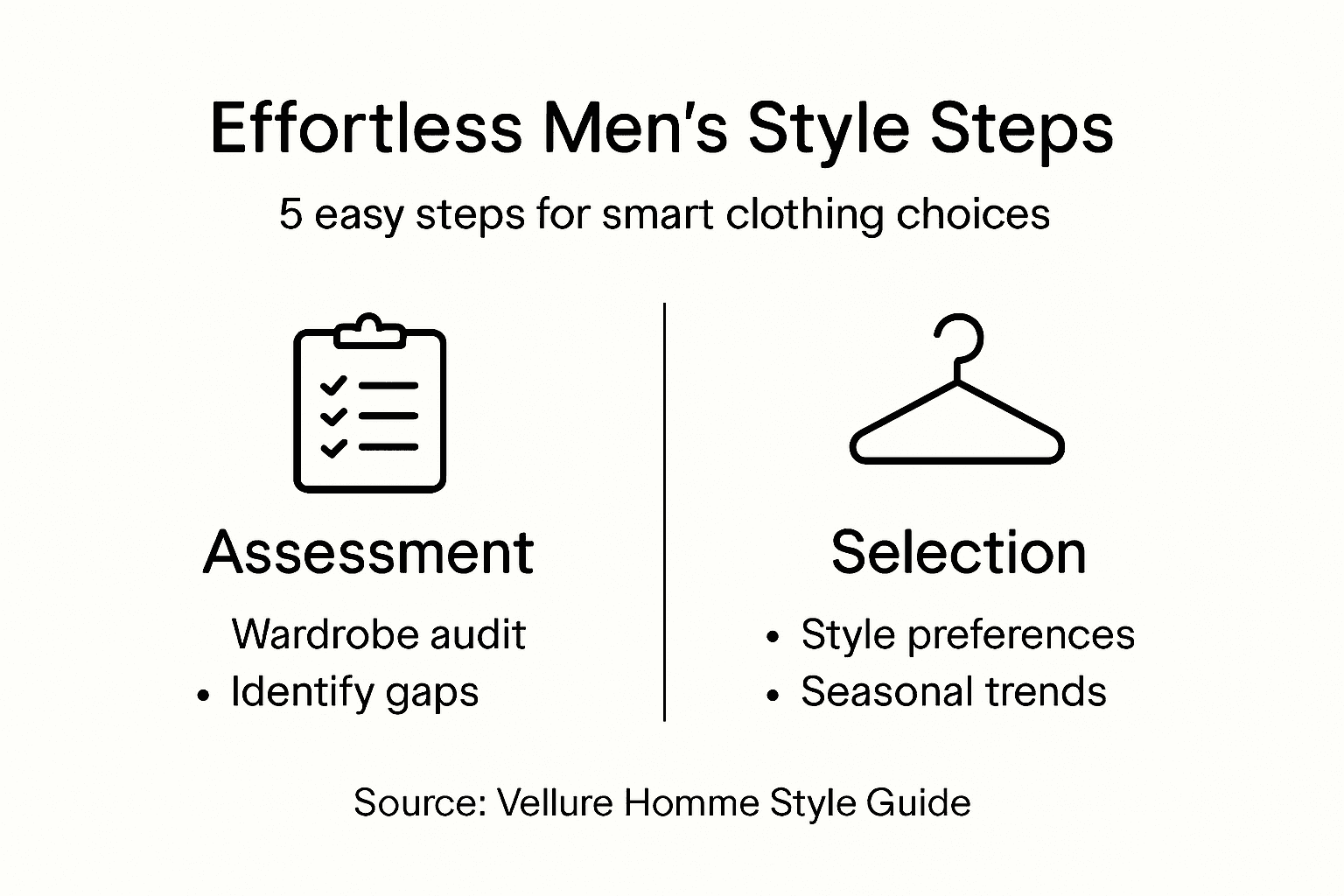
Staring at a wardrobe packed with items yet still struggling to build versatile winter outfits is a common frustration among young professionals across the UK. Assessing what you truly wear against what simply takes up space helps clarify your style direction and stretches your budget further when seasonal discounts arrive. By starting with a thorough wardrobe audit and understanding your real gaps, you’ll make smarter, more effective choices when browsing the latest collections online.
Table of Contents
- Step 1: Assess Your Wardrobe and Identify Gaps
- Step 2: Define Your Personal Style Preferences
- Step 3: Explore Seasonal Trends and Collections
- Step 4: Select Items Based on Fit and Functionality
- Step 5: Verify Quality and Secure the Best Discounts
Quick Summary
| Essential Insight | Detailed Explanation |
|---|---|
| 1. Assess Your Wardrobe Gaps | Organise your clothing to identify what you own and what is missing for a versatile wardrobe. |
| 2. Define Your Personal Style | Examine your favourite items to articulate your style, guiding future purchases towards what suits you best. |
| 3. Explore Seasonal Trends Mindfully | Focus on current collections that fill your gaps, avoiding impulse buys while staying stylish. |
| 4. Prioritise Fit and Functionality | Ensure garments fit well and serve your daily needs, preventing unwearable purchases. |
| 5. Verify Quality and Discounts | Investigate the quality of items and take advantage of sales to get the best value for your wardrobe. |
Step 1: Assess Your Wardrobe and Identify Gaps
Before you start shopping for new pieces, you need to understand what you already own. This step clarifies your current collection, reveals what actually works for your lifestyle, and exposes the gaps holding you back from having more versatile outfits. Think of it like reviewing a sports team’s roster before building your roster for the season ahead.
Start by gathering all your clothing in one place, whether that’s your bedroom, a spare room, or even laying items across your bed. Pull out everything you wear regularly plus the pieces you rarely touch. This matters because half the battle involves understanding not just what you own, but what you actually wear. As you sort through items, categorise them by type: jumpers, trousers, shirts, jackets, and outerwear. Within each category, group pieces by colour and note which items fit well and which ones you’ve been meaning to tailor or simply avoid wearing. The goal here is brutal honesty. That expensive wool coat gathering dust in the back of your wardrobe counts just as much as the everyday jumper you reach for three times a week.
Once you’ve organised your collection, analyse the patterns. Which colours dominate your wardrobe? Which styles do you gravitate towards repeatedly? Understanding spending habits and cost-per-wear metrics reveals whether you’re investing wisely in pieces that earn their place in your rotation. Look for gaps in your coverage. Do you have adequate options for smart casual occasions? Are your winter layers sufficient for British weather? Can you create multiple outfits from your current items, or do you keep wearing the same combinations? For young professionals in the UK especially, seasonal audits highlight missing items during winter when layering and heavier fabrics become essential. Reorganise your clothes into clear zones so everyday essentials sit front and centre, while less frequent wear items go to the back. This simple step immediately shows which categories or styles are underrepresented and urgently need attention.
You’ll likely discover certain gaps straight away. Perhaps you have three identical navy jumpers but no proper winter overcoat. Maybe your workwear is solid but you’re struggling with weekend casual pieces. Some of you might realise you own mostly loose fits when you actually prefer a tailored silhouette. These insights are gold because they direct your future shopping with precision. Rather than buying randomly, you now shop purposefully. You’ll know exactly which gaps need filling to transform your existing wardrobe into something genuinely useful and cohesive.
Here is a summary of common wardrobe gaps discovered during an audit and strategies to address them:
| Wardrobe Gap | Typical Cause | Strategy to Fill Gap |
|---|---|---|
| Repetitive colours | Habitual purchasing | Choose contrasting accents |
| Lack of winter layering | Infrequent seasonal audit | Prioritise versatile fabrics |
| Insufficient smart casual | Focus on workwear | Add adaptable separates |
| Oversized vs tailored fits | Outdated preference | Try updated silhouettes |
| Missing functional outerwear | Neglecting practical needs | Invest in weather-ready coats |
Tip Set a budget for filling these gaps before you start shopping. Calculate your cost-per-wear on current pieces to understand where your money goes, then allocate funds strategically to high-impact items that coordinate with multiple existing pieces.
Step 2: Define Your Personal Style Preferences
With your wardrobe audit complete, you now understand what you own. The next step is equally important: understanding who you are as a dresser and what genuinely makes you feel confident. Your personal style isn’t about following every trend or copying what influencers wear. It’s about recognising the clothes that make you feel like yourself and building around that foundation.
Start by examining your most worn pieces. Pull out the five or ten items you reach for repeatedly, the ones that appear in your photo roll because you felt good wearing them. Look closely at what these pieces share. Are they predominantly neutral colours like charcoal, navy, and cream, or do you gravitate towards richer tones and patterns? Notice the silhouettes. Do you prefer tailored fits that hug your frame, or do looser, more relaxed cuts feel right? Pay attention to fabrics as well. Perhaps you consistently choose soft, natural materials like wool and cotton over synthetic blends, or maybe you love the structure and durability of structured fabrics. Understanding what makes your favourite clothes special is the foundation for intentional wardrobe building. These patterns reveal your authentic preferences, not what you think you should wear.

Beyond individual pieces, consider your lifestyle and how your clothes need to function. As a young professional in the UK, your style must work across multiple contexts. You might need sharp pieces for client meetings, comfortable options for creative Fridays, and weekend casual wear that still looks put together. Your style preferences should align with these real requirements rather than fighting against them. Create a visual mood board by collecting images of outfits and individual pieces that catch your eye. Scroll through social media, save photos from menswear websites, or clip images from fashion publications. Don’t overthink it. Just gather what genuinely appeals to you. After collecting 20 or 30 images, study them for recurring themes. Certain colour palettes will appear repeatedly. Specific silhouettes and textures will emerge as patterns. This visual exercise cuts through indecision and shows your style preferences with clarity. You’ll likely notice you’re drawn to clean, minimal aesthetics, or perhaps you prefer textured layers and more personality in your outfits. Some of you might discover you love smart casual dressing whilst others lean towards relaxed elegance.
Once you’ve identified these patterns, articulate your style in simple terms. You might define yourself as minimalist and structured, or as textured and layered, or as versatile and adaptable. This definition becomes your north star when shopping. It helps you reject impulse purchases that don’t serve your actual preferences. More importantly, it ensures your wardrobe becomes genuinely cohesive. Every new piece you add reinforces your style rather than introducing confusion. This clarity transforms your shopping from guesswork into purposeful selection.
Tip Save your mood board somewhere accessible, like a Pinterest board or notes app, and review it when shopping online or browsing sales. This prevents buying items that look good in isolation but don’t align with your actual style preferences or existing wardrobe.
Step 3: Explore Seasonal Trends and Collections
Now that you know your wardrobe and your personal style, it’s time to see what’s available that genuinely aligns with both. This step connects your identified gaps with current seasonal collections and relevant trends. The goal isn’t to chase every trend that emerges but to find pieces that work for your lifestyle whilst staying current and fresh for the season ahead.
Begin by reviewing what’s in season right now. For British winters, this means exploring heavy outerwear, layering basics, and textiles designed for cold weather. Visit the collections at Vellure Homme and browse their seasonal offerings. Notice which pieces immediately catch your eye and which ones make sense for the gaps you identified earlier. Are they launching new overcoats that match your preferred silhouette? Do their winter jumpers come in the colours that dominate your mood board? This is where intention matters. Don’t just scroll mindlessly. Look specifically for items that serve the gaps you discovered. If you identified a shortage of smart casual trousers, search for that category. If you need better layering pieces, focus on jumpers and long sleeved shirts. The seasonal collections are already curated for what works now, so you’re simply filtering within that selection for your specific needs.
Beyond individual items, understand how seasonal trends work without letting them overwhelm your selections. How trends evolve in men’s fashion reveals that some shifts are practical responses to weather and lifestyle, whilst others are purely aesthetic. Winter trends might emphasise textured fabrics, oversized silhouettes, or particular colour palettes like deep burgundy and forest green. The key is recognising which trends align with your personal style and which ones feel forced. If oversized fits genuinely appeal to you and work with your aesthetic, explore that direction. If you prefer tailored clothing, you can honour the season’s colour trends without adopting an ill fitting silhouette. Mixing existing items with relevant seasonal pieces ensures you refresh your style efficiently rather than starting from scratch.
Take time to assess what you’re actually buying. Look at each item and ask whether it genuinely fills a gap, aligns with your style, and works with your existing wardrobe. A beautiful winter coat is only valuable if it coordinates with the trousers and jumpers you already own. A trendy jumper only matters if you’ll actually wear it regularly. This careful evaluation prevents impulse purchases that look good in isolation but create confusion in your wardrobe. You might also discover that some gaps are better filled with versatile basics rather than trend-forward pieces. A neutral overcoat will serve you far longer than a statement coat in this season’s trending colour. Balance trend awareness with practical longevity.
Tip Check Vellure Homme’s promotional pages during seasonal sales, which often feature up to 50 percent discounts on new collections. This allows you to acquire quality pieces that align with your style and fill genuine gaps without stretching your budget across multiple items.
Step 4: Select Items Based on Fit and Functionality
Finding a piece that looks good on the hanger is one thing. Finding one that fits your body well and actually works for your daily life is something else entirely. This step separates thoughtful shopping from impulse buying. You’re moving from theory into practice, selecting specific items that will genuinely earn their place in your wardrobe.
Start with fit, because nothing else matters if a garment doesn’t sit right on your frame. When browsing online at Vellure Homme, read the size guides carefully and check product descriptions for fit information. Does the item run large, small, or true to size? Look at customer reviews for real world feedback. Someone your height and build might mention whether the sleeves hit correctly or if the chest feels restrictive. When trying items on, assess how they feel, not just how they look. Can you move comfortably? Does the fabric breathe, or does it feel suffocating? If you’re ordering online, factor in returns. British retailers typically offer straightforward returns policies, so you can order multiple sizes and send back what doesn’t work. Pay attention to specific measurements. Shoulder seams should sit at your actual shoulder line. Sleeves should end at your wrist bone when your arms hang naturally. Trouser inseams should break gently at your shoe, not bunch or flood. Assessing garment comfort and fit ensures pieces suit your lifestyle and prevent the frustration of unwearable purchases. This sounds meticulous, but fit is non-negotiable because even the most beautiful jumper becomes useless if it doesn’t fit properly.
Next, evaluate functionality against your actual life. You’re a young professional in the UK. Your winter coat needs to provide genuine warmth during your commute, not just look stylish. Your work trousers need to withstand regular washing and maintain their shape through multiple wears. Layering pieces should work together cohesively so you can actually wear them when the weather demands it. Consider how versatile each item is. Can this jumper work with both casual jeans and smart trousers? Can this shirt transition from the office to evening drinks without looking out of place? Does this overcoat work with your existing shoe collection, or would you need to buy new footwear to make it work? Understanding how pieces fit into your existing wardrobe prevents buying isolated items that look good independently but create outfit chaos. The most practical approach involves mentally dressing yourself in that piece. Picture it with things you own. Picture wearing it through your typical week. Does it genuinely serve your needs, or are you buying something that photographs well but sits unused?
One final consideration is quality relative to price. British winters are demanding, so durability matters. A jumper made from quality wool will outlast synthetic blends and actually improve with age. Seams should be finished cleanly, not loose or fraying. Fabric should feel substantial and durable. During seasonal sales when Vellure Homme offers discounts up to 50 percent, quality pieces become more accessible. This is precisely when to make intentional purchases of items you’ve identified as necessary and checked thoroughly for fit and functionality. You’re not buying because something is on sale. You’re buying something you’ve already determined you need, at a price that makes it worthwhile.
Tip Before purchasing anything online, photograph your most worn items and note their fit details. When shopping, compare new pieces to these reference items to ensure they’ll integrate seamlessly with your existing wardrobe and wear similarly to items you already love.
Step 5: Verify Quality and Secure the Best Discounts
You’ve identified your gaps, defined your style, explored seasonal collections, and selected pieces that fit well and serve your lifestyle. Now comes the final crucial step: making sure you’re actually getting quality items at the best possible price. This is where smart shopping meets financial wisdom, ensuring your investment in new wardrobe pieces genuinely pays off.
Start by examining quality indicators before you commit to purchase. Look closely at product images on Vellure Homme. Can you see the weave of the fabric clearly? Are seams visible and do they appear properly finished? Read the fabric composition carefully. A wool jumper should list wool as the primary fibre, ideally 80 percent or higher, rather than being mostly acrylic with a touch of wool for marketing purposes. Check the weight of the fabric. Heavier fabrics generally indicate better quality and superior durability for winter wear. Look at the collar and cuff construction. Ribbed knit should be tight and even, not loose or unravelling. For tailored pieces like trousers and shirts, seams should be straight and consistent. Customer reviews provide invaluable insight into real world durability. Someone who’s owned the item for months can tell you whether it has shrunk, pilled, or maintained its shape. Assessing durability and fabric quality ensures smart investment in pieces that will actually last through multiple winters rather than disappointing you after a few wears.
Once you’ve verified quality, it’s time to hunt for the best discount without compromising on that quality assurance. Vellure Homme regularly offers seasonal promotions featuring discounts up to 50 percent, making premium pieces more accessible. However, don’t let a discount cloud your judgment. That reduced price is only valuable if the item still meets your quality standards and genuinely fills a gap you’ve identified. Sign up for the Vellure Homme newsletter to receive early notification of upcoming sales and exclusive offers before general release. This gives you a strategic advantage because you can plan your purchases around promotional periods rather than buying at full price. Timing matters significantly for young professionals seeking high-quality winter clothing on a budget. Seasonal end-of-season sales typically offer deeper discounts as retailers clear inventory, but stock selection narrows considerably. Early season sales offer better selection but smaller discounts. Strategic shopping means identifying which items you need most urgently and timing your purchase accordingly. If you need a winter overcoat immediately, buying at full price might be necessary. If you’re building your layering collection and can wait, patience during sales periods saves substantial money across multiple pieces. Track items you’re considering in your basket or on your phone. Many retailers offer reminder alerts when items you’ve saved go on sale, allowing you to act quickly when discount codes are applied.
One final consideration involves cost-per-wear mathematics. A premium jumper at 50 percent discount costs less per wear if you actually wear it 100 times across multiple years than a cheap jumper at full price that you wear ten times before it falls apart. This perspective shifts your thinking from transaction price to actual value. You’re not simply seeking the lowest price. You’re seeking the best value for pieces you’ll genuinely wear regularly. Before completing any purchase, ask yourself whether you’d have bought it at full price. If the answer is no, you’re buying purely because of the discount, which usually signals the item doesn’t truly belong in your wardrobe. If you’d happily pay full price but are delighted to find it on sale, that’s the perfect purchase.
The following table compares ways to maximise value while shopping during sales periods:
| Approach | Pros | Cons |
|---|---|---|
| Early sale purchases | Broad selection, limited risk | Smaller discounts available |
| End-of-season clearance | Deepest price reduction | Less size and style availability |
| Newsletter subscription | Advance notice for promotions | Requires regular inbox attention |
| Cost-per-wear analysis | Long-term value orientation | May overlook short-term trends |
Tip Create a spreadsheet tracking items you’ve purchased, their original and discounted prices, and how many times you’ve worn them. After six months, calculate your actual cost-per-wear to understand which purchases genuinely served you well, informing your future shopping decisions and discount timing strategy.
Unlock Effortless Style with Purposeful Men’s Clothing Choices
The journey through mastering your men’s clothing selection involves identifying wardrobe gaps, defining your personal style, and choosing pieces that truly fit your lifestyle and body shape. If you want to overcome the common pitfalls of repetitive colours, ill-fitting garments or poorly functional outerwear, purposeful shopping is key. Vellure Homme offers a carefully curated collection designed to fill those exact gaps—from premium overcoats to versatile jumpers crafted for British winters. Each piece reflects the modern yet timeless aesthetic that complements your refined taste and daily demands.
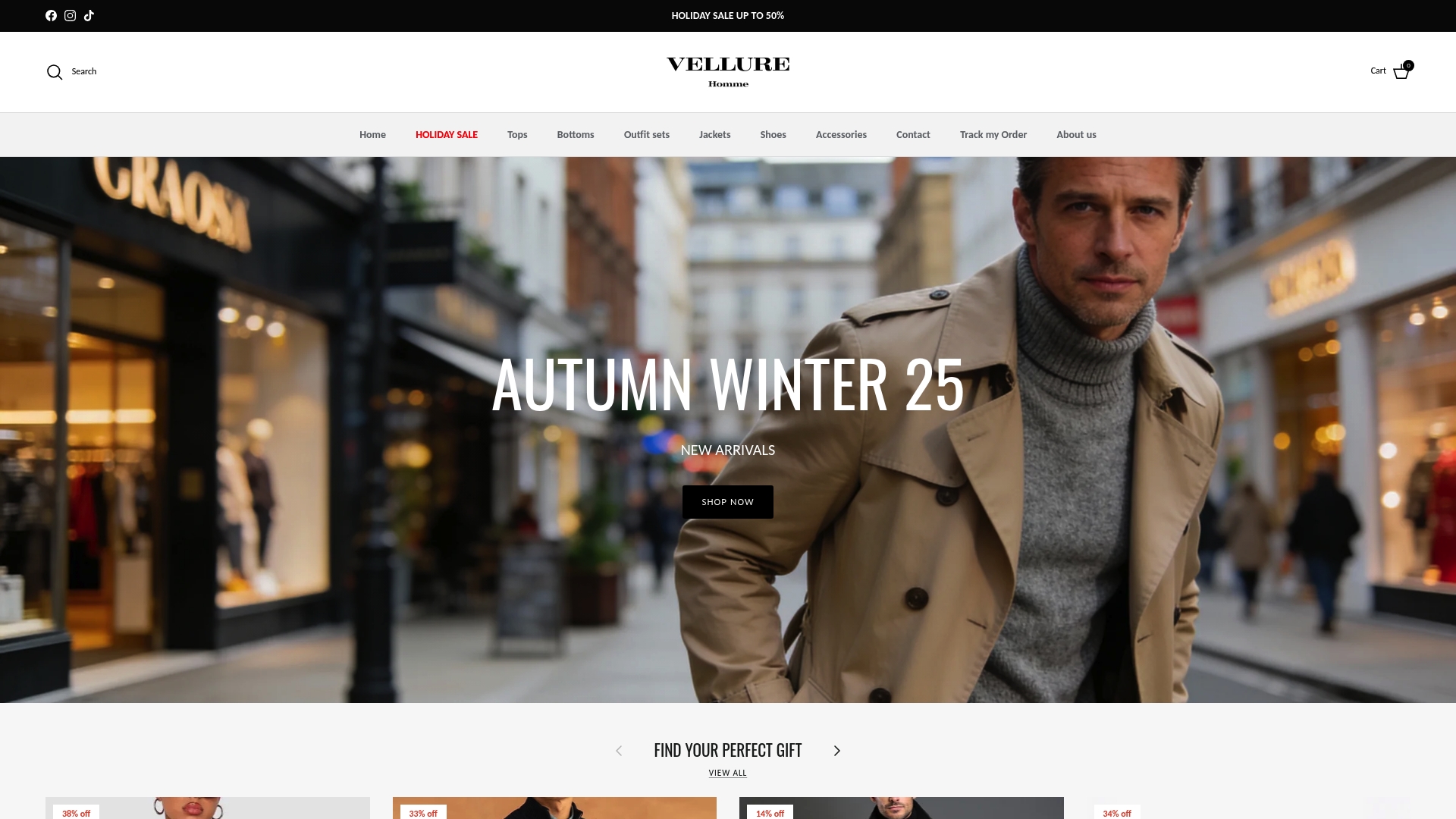
Take control of your wardrobe like a pro today. Explore the latest seasonal collections and exclusive promotional discounts up to 50 percent at Vellure Homme. Start building a wardrobe that fits impeccably and works effortlessly by visiting our online store now. Your next investment in quality, style and confidence awaits—don’t miss out on elevating your everyday dressing with our premium selections. Discover how intentional dressing becomes effortless with every click.
Frequently Asked Questions
How do I start assessing my current wardrobe?
To start assessing your current wardrobe, gather all your clothing in one place and sort them by type and colour. Identify what you wear regularly versus what you rarely touch, enabling you to spot gaps and understand your overall collection.
What factors should I consider when defining my personal style?
When defining your personal style, consider the colours, silhouettes, and fabrics of your most-worn items. Create a visual mood board of outfits that appeal to you and look for recurring themes to articulate your style clearly.
How can I effectively explore seasonal trends?
Effectively explore seasonal trends by reviewing what’s currently in season and focusing on items that address your identified wardrobe gaps. Look for seasonal collections that feature styles and fabrics aligned with your personal preferences.
What should I prioritise when selecting clothing based on fit and functionality?
When selecting clothing, prioritise fit and functionality by checking size guides and product descriptions closely. Ensure the garments comfortably accommodate your lifestyle and can be paired with your existing wardrobe for versatile outfits.
How can I ensure I’m purchasing quality items at the best prices?
Ensure you’re purchasing quality items at the best prices by examining product details, fabric composition, and customer reviews before buying. Track items you’re interested in and consider the cost-per-wear to evaluate their long-term value.
Why is it important to evaluate cost-per-wear?
Evaluating cost-per-wear is important because it helps you understand the true value of a purchase over time. By considering how often you’ll use an item, you can make better decisions on investing in higher-quality pieces that you’ll wear frequently.